Blocked, Banned, or Playing It Smart: The Real Story Behind VPNs and Crypto Casinos for Aussies
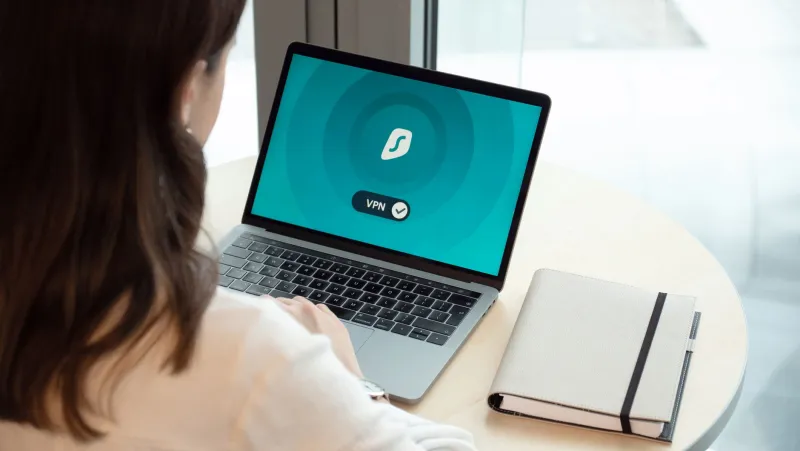
If you've spent any time in Aussie crypto gaming circles, you've probably heard someone mention a VPN as the go-to workaround for accessing offshore platforms. Fire up a server in Malta or Gibraltar, change your apparent location, and suddenly the geo-restricted casino rolls out the welcome mat. Simple, right?
Not quite. The reality is messier, and for a lot of players, the VPN route is turning into more of a trap than a shortcut.
Why Geo-Restrictions Exist in the First Place
Australia's Interactive Gambling Act 2001 (IGA) makes it illegal for operators to offer certain interactive gambling services to Australian residents — but it doesn't technically make it illegal for individual players to access those services. That distinction sounds helpful, but it's also why offshore crypto casinos find themselves in a bind.
Many platforms voluntarily block Australian IPs. Some do it to stay clean with licensing bodies in Curaçao, Malta, or the Isle of Man, which have their own compliance requirements. Others block Aussie traffic because they've received warnings from the Australian Communications and Media Authority (ACMA), which has been ramping up its enforcement activity. Either way, the result is the same: Australians trying to reach these sites hit a wall.
Crypto casinos are no different here. The blockchain-based nature of transactions doesn't change where the server thinks you're sitting when you load the page.
How Operators Actually Detect VPN Use
This is where things get technically interesting. A lot of players assume that a paid VPN subscription is basically invisible. That assumption is getting increasingly outdated.
Modern casino platforms — including many crypto-focused ones — layer up multiple detection methods:
IP reputation databases. Services like MaxMind and IP2Location maintain constantly updated lists of known VPN and proxy IP addresses. When your traffic comes through a VPN server that thousands of other people also use, that IP address often ends up flagged. Casinos subscribe to these databases and can cross-check your IP in real time.
WebRTC leaks. Even with a VPN active, your browser can sometimes broadcast your real local IP address through WebRTC — a communication protocol used for video and voice chat. A casino's fraud detection system can catch this discrepancy between your apparent location and your real one.
Payment and wallet fingerprinting. Here's where crypto gamblers sometimes feel a false sense of security. Even if your IP looks offshore, your crypto wallet's transaction history is public on the blockchain. If your deposit history links to Australian exchanges or your wallet has interacted with Australian-based services, sophisticated platforms can flag it.
Behavioural analysis. Time zones, language settings, device locale, and even the timing of your sessions can build a profile that doesn't match your claimed location. Machine learning tools are increasingly good at identifying these inconsistencies.
The upshot? Casual VPN use that might have flown under the radar a few years ago is a lot riskier now. Accounts get suspended, winnings get withheld pending KYC verification, and when you can't prove you're actually sitting in the jurisdiction you claimed — because you're not — things go south fast.
The Legal Grey Zone (And Why It Matters for Your Wallet)
Let's be straight about this. Using a VPN to access a geo-restricted gambling site isn't a criminal offence for individual Aussie players under current law. But the risk isn't really about police knocking on your door.
The risk is that you're gambling in breach of a casino's terms of service. Nearly every offshore platform — crypto or otherwise — includes a clause that voids winnings if you've used a VPN to circumvent geo-blocks. That means if you hit a big payout and the platform decides to investigate, they have legitimate grounds to refuse payment. You'd have almost no recourse, because you agreed to those terms when you signed up.
The ATO angle is worth noting too. If you're generating winnings and later trying to explain the source of those funds, having a paper trail that shows you were accessing platforms through a VPN to get around Australian restrictions isn't a great look.
What Aussies Are Actually Doing Instead
Here's the more useful part of the conversation. Rather than playing an increasingly losing game with VPN detection, a growing number of Aussie crypto players are shifting their attention to platforms that genuinely accept Australian players — either because they operate in a legal grey zone that the IGA doesn't clearly cover, or because they've structured their offerings to comply with Australian rules.
Crypto-native platforms with open AU access. Some blockchain casinos explicitly list Australia as an accepted jurisdiction and don't require any workaround to access them. These platforms typically operate under licensing frameworks that don't conflict with the IGA's specific prohibitions. They're worth researching carefully, but they do exist.
Provably fair games without traditional casino structure. Certain decentralised gaming protocols operate on smart contracts rather than as traditional casino operators. The legal classification of these platforms under Australian law is genuinely unclear, which means they occupy a different space than a conventional offshore casino.
Peer-to-peer betting. Some Aussies are moving toward decentralised prediction markets and P2P wagering platforms where there's no central operator to trigger IGA concerns. These come with their own learning curve, but the access issue largely disappears.
Staying local. It's not glamorous advice, but Australian-licensed platforms — including some that now accept crypto deposits — are expanding their offerings. If you're primarily interested in the crypto payments side rather than the specific games only available offshore, local options are improving.
A Practical Checklist Before You Play
If you're navigating this space, here are a few things worth doing before you deposit anything:
- Read the terms of service carefully — specifically the restricted countries clause and the VPN/proxy policy.
- Check whether the platform has an Australian-facing support channel — if they actively support AU players, that's a meaningful signal.
- Look at withdrawal history on forums — community reports of withheld winnings are a red flag regardless of what the platform claims.
- Consider your wallet footprint — if your crypto trail is obviously Australian, VPN use provides less cover than you might think.
- Keep records — whatever you're playing, the ATO's position on crypto gambling winnings means documentation is your friend.
The Bottom Line
VPNs aren't magic, and the platforms running these detection systems are getting sharper every year. For Aussie crypto players, the smarter move is finding platforms that don't require workarounds at all — whether that's a genuinely AU-accessible crypto casino, a decentralised gaming protocol, or a locally licensed operator that's caught up with the times on crypto payments.
The thrill of the game is real. The VPN trap, though? That's just unnecessary risk on top of the risk you're already taking at the tables.