Your Keys, Your Edge: Why Aussie Crypto Gamblers Are Ditching Exchange Wallets for Good
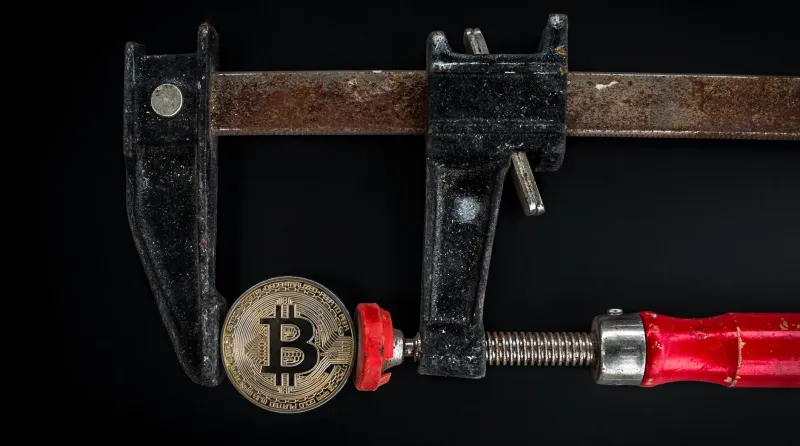
There's an old saying that's become something of a mantra in crypto circles: not your keys, not your coins. For a long time, plenty of Aussie players treated that as a nice-sounding principle without much practical relevance to their gaming life. That attitude is shifting — and fast.
More and more Australian crypto gamblers are waking up to the fact that where you store your digital assets before and after a session at an online casino matters just as much as which games you're playing. The difference between keeping funds on an exchange versus managing your own wallet isn't just philosophical. It shows up in real dollars, real delays, and sometimes, real headaches that could've been avoided entirely.
What Self-Custody Actually Means (And Why It Matters for Gambling)
Self-custody simply means you hold the private keys to your crypto wallet yourself. Nobody else — not an exchange, not a platform, not a third-party custodian — has access to your funds unless you hand it over. You're the bank.
For everyday crypto holders, this is appealing for obvious reasons. For crypto casino players specifically, it adds a layer of operational freedom that exchange-based wallets genuinely can't match. When your funds sit on an exchange like CoinSpot, Binance AU, or Kraken, you're not actually holding crypto in the traditional sense — you're holding an IOU from that platform. And IOUs come with strings attached.
The Freeze Problem: When Exchanges Lock the Door at the Worst Time
Ask around in Aussie crypto gaming communities and you'll hear variations of the same frustrating story. A player wins big, sends a withdrawal request from the casino back to their exchange wallet, and then finds that the exchange has flagged their account for review. Sometimes it's automated systems detecting unusual inflows. Sometimes it's routine compliance checks that happen to kick in at the most inconvenient moment.
The result? Funds sitting in limbo for days — occasionally longer. For someone who's just had a solid run at a crypto poker table or cleaned up on a blockchain slots session, that delay stings. The winnings are right there, technically, but completely inaccessible.
Self-custody players sidestep this entirely. When a crypto casino processes a withdrawal to a self-managed wallet, the funds arrive and they're immediately yours to do whatever you like with. No compliance queues. No "your account is under review" messages. No explaining to a customer service rep why you just received 0.4 ETH at 2am.
Faster Transactions, Lower Friction
Beyond freezes, there's the everyday friction that exchange wallets introduce into the deposit-and-withdraw cycle. Depositing from an exchange typically means navigating the platform's own interface, confirming through their security layers, and sometimes waiting for their internal processing before funds even hit the blockchain.
With a self-custody wallet — whether that's a hardware wallet like a Ledger or Trezor, or a software option like MetaMask or Trust Wallet — you interact directly with the blockchain. The transaction goes when you say it goes. For Aussie players who keep an eye on gas fees and network congestion, being able to time your transactions precisely is a genuine advantage, not just a convenience.
Crypto casinos that support direct wallet connections (and a growing number of them do) make this even smoother. Connect your wallet, approve the transaction, and you're playing within minutes. The round-trip from exchange account to casino table and back again adds unnecessary steps that self-custody simply eliminates.
Regulatory Headaches: Australia's Evolving Crypto Landscape
Australia's approach to crypto regulation is still finding its feet, and that uncertainty creates real risk for players who rely on centralised exchanges as their primary wallet. When regulators tighten rules — as they've been signalling they might — exchanges are typically the first entities to feel the pressure. Enhanced KYC requirements, transaction monitoring, and reporting obligations all flow through to users.
For crypto gamblers, this creates a specific vulnerability. Exchanges may begin flagging gambling-related transactions more aggressively, restricting accounts associated with casino activity, or requiring additional documentation that delays access to funds. None of this is hypothetical — similar patterns have played out in other markets already.
Self-custody doesn't make you invisible to regulation, and it's worth being clear about that. The ATO still expects you to report crypto gains, and that includes gambling winnings. But managing your own wallet removes one layer of institutional gatekeeping from the equation. Your relationship with a crypto casino becomes a direct one, without an exchange acting as a middleman that might decide your activity doesn't suit their risk appetite.
The Trade-Offs Are Real — Don't Skip This Part
It would be dishonest to talk up self-custody without being straight about what it demands from you. When you hold your own keys, you are entirely responsible for security. There's no customer support line to call if you lose access. There's no "forgot my password" reset. Lose your seed phrase and your funds are gone — permanently, irreversibly, with no recourse.
This isn't a small consideration. Hardware wallets can be lost, stolen, or damaged. Software wallets on devices that get hacked or corrupted can expose your keys. Phishing attacks targeting crypto users are sophisticated and relentless. Aussies who've never managed their own wallet before need to invest real time in understanding secure storage practices before they shift their gaming bankroll into self-custody.
The practical advice here is straightforward: start with a hardware wallet from a reputable manufacturer, store your seed phrase offline in multiple secure locations, and never enter your recovery phrase anywhere digital. Treat it like the combination to a safe that holds your entire bankroll — because that's exactly what it is.
Who Should Actually Make the Switch?
Self-custody makes the most sense for players who are already comfortable with crypto fundamentals and are playing regularly enough that exchange friction is genuinely costing them time and money. If you're depositing and withdrawing weekly, the cumulative benefit of faster transactions and zero freeze risk adds up.
Casual players who dip into crypto gaming occasionally might find that the added responsibility of managing their own keys isn't worth it for their current level of activity. There's no shame in that. A reputable exchange wallet is fine for low-frequency players who aren't moving significant sums.
But if you're serious about crypto gaming — if you're treating your bankroll with the same care you'd give any investment — self-custody isn't just a nice-to-have. It's the foundation of a genuinely independent gaming setup.
The Bottom Line
The divide between exchange-wallet players and self-custody players in the Aussie crypto gaming scene is only going to grow more pronounced as the regulatory environment shifts and platforms face increasing scrutiny. Those who've already taken control of their own keys are better positioned to adapt, move quickly, and keep their winnings accessible on their own terms.
At 21Bit Casino AU, we see this shift happening in real time. The players who understand their tools — wallets included — are consistently better placed to make the most of what crypto gaming has to offer. Taking ownership of your keys is one of the clearest ways to back yourself before you've even placed a single bet.